
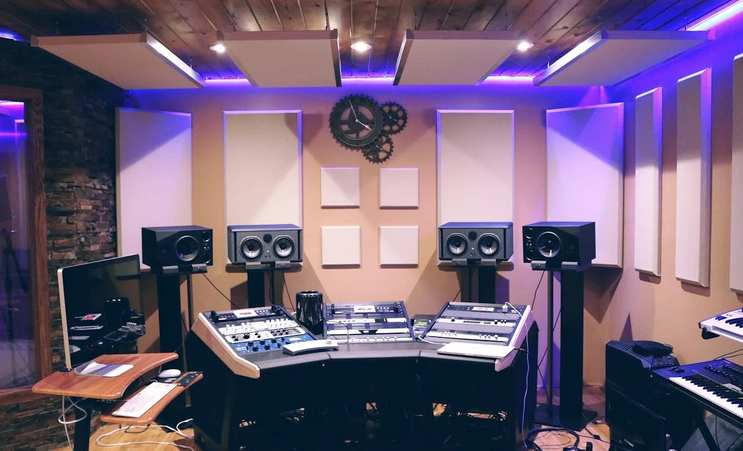
The landscape of music production has undergone a dramatic transformation in recent years, mainly driven by technological advancements. From the advent of digital audio workstations (DAWs) to the rise of artificial intelligence (AI), these innovations reshape how music is created, produced, and consumed. This blog post explores the profound ways technology is revolutionizing the role of the music producer, enhancing creativity, efficiency, and accessibility in the music industry.
Digital Audio Workstations (DAWs): The New Studio Standard
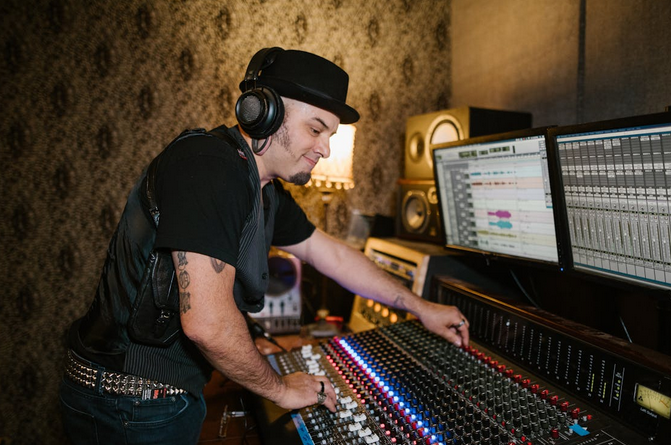
At the heart of modern music production lies the digital audio workstation (DAW). These sophisticated software platforms, such as Ableton Live, Logic Pro, and Pro Tools, have transformed the recording studio into a virtual environment. DAWs enable producers to record, edit, mix, and master tracks with unparalleled precision. The flexibility and power of these tools mean that music producers can now experiment with a broader range of sounds and techniques without the constraints of traditional hardware.
DAWs also facilitate the integration of various virtual instruments and plugins, which emulate everything from classic synthesizers to intricate drum machines. This expands the sonic palette available to producers and reduces the need for expensive physical gear, democratizing access to high-quality production tools.
Artificial Intelligence: The Creative Collaborator
Artificial intelligence is making its mark on music production in increasingly sophisticated ways. AI-driven tools by Unison Audio can now assist in various aspects of production, from generating melodies and harmonies to analyzing and predicting musical trends. For instance, platforms like Amper Music and AIVA leverage AI to compose original music, providing producers unique starting points or inspiration.
Moreover, AI can enhance mixing and mastering processes. Tools like iZotope’s Ozone use machine learning to suggest and implement adjustments to audio tracks, streamlining the mastering phase and ensuring professional-quality results. This accelerates the production timeline and allows producers to focus more on creative aspects rather than technical details.
Remote Collaboration: Breaking Down Geographic Barriers

Technology has also revolutionized how producers collaborate with artists and other industry professionals. Remote collaboration tools, such as cloud-based DAWs and file-sharing platforms, enable producers to work with musicians globally without needing physical studio spaces. Services like Splice and Soundation facilitate real-time collaboration and seamless sharing of project files, allowing producers to integrate input from various contributors, irrespective of location.
This shift towards virtual collaboration has opened up new opportunities for networking and partnerships, allowing producers to tap into a diverse pool of talent and perspectives. Collaborating remotely has also become crucial in a post-pandemic world, where flexibility and adaptability are paramount.
Virtual Reality and Augmented Reality: The Future Frontier
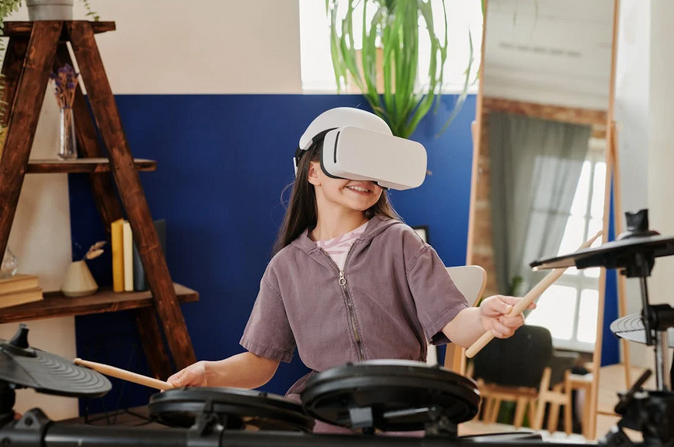
Looking ahead, virtual reality (VR) and augmented reality (AR) are poised to transform the music production landscape further. These technologies offer immersive experiences that could redefine how producers interact with their creative environments. For example, VR could allow producers to design and manipulate virtual studio spaces, providing a new dimension to the production process.
AR could enhance live performances and recordings by overlaying digital elements onto physical spaces, creating novel ways for producers to engage with their audience and experiment with visual and auditory effects. While these technologies are still in their infancy, their potential to innovate the music production process is significant.